Pilates for Back Pain: How the Right Practice Can Help
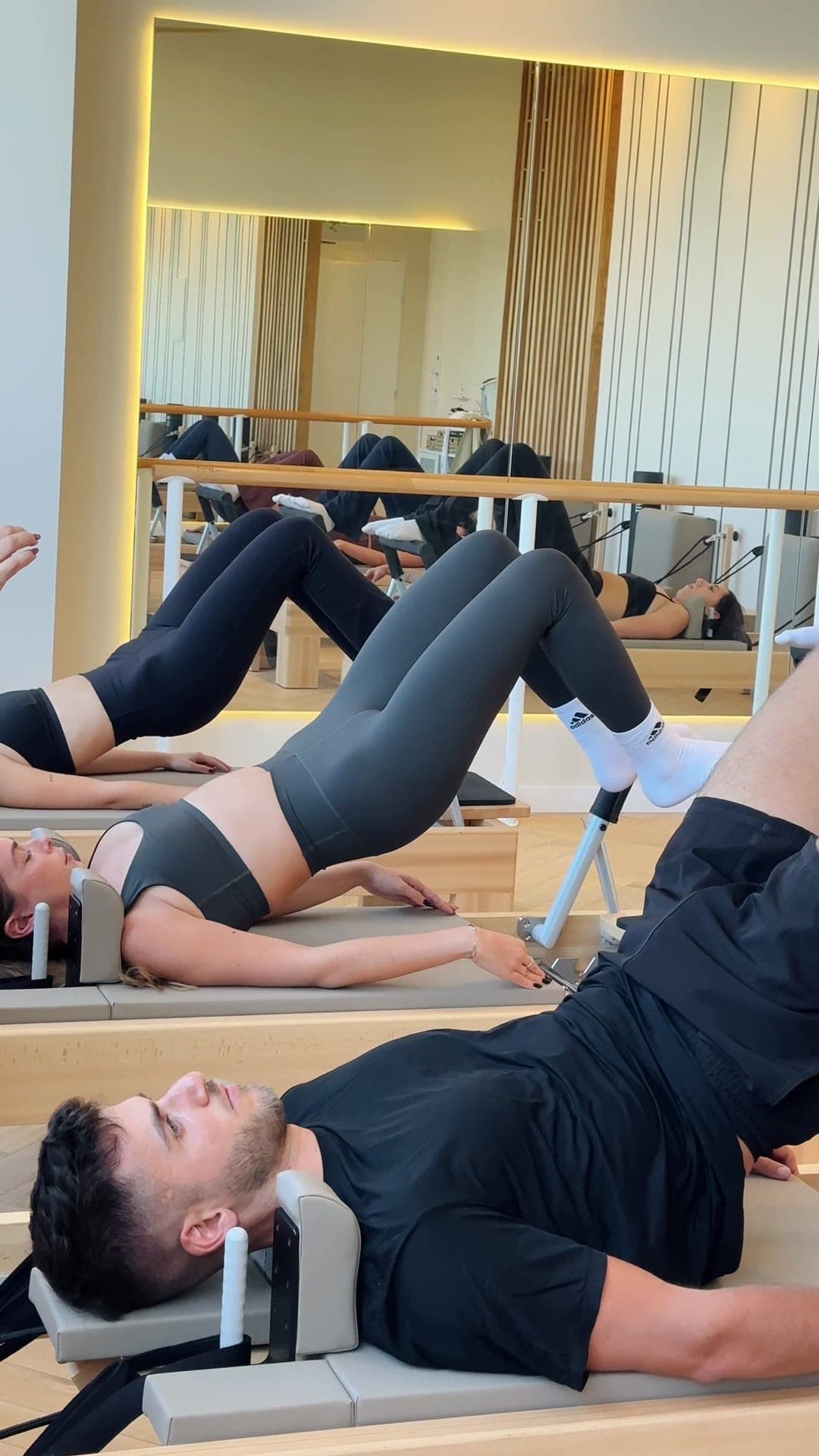
Lower back pain is one of the most common reasons people come to Pilates. While no exercise is a cure-all, a well-taught reformer practice can strengthen the muscles that support your spine, improve how you move through the day, and help many people feel noticeably better over time.
Why the core matters for your back
Your 'core' is more than abs — it's a corset of deep muscles wrapping the trunk and pelvis. When these muscles are strong and coordinated, they share the load with your spine instead of leaving it to cope alone. Pilates trains exactly this deep, stabilising strength rather than just surface movement.
How reformer Pilates helps
- Builds deep core and pelvic-floor stability that supports the lower back
- Improves posture and body awareness, so you load the spine more evenly
- Increases hip and spine mobility, easing stiffness
- Uses spring support so you can strengthen without straining
- Is low-impact and easy to scale to your level on any given day
Practising safely
If you have ongoing or severe back pain, check with your doctor or physiotherapist before starting, and always tell your instructor. Good practice is never about pushing through pain — it's about moving well within a comfortable range and progressing gradually. In a small group, your instructor can adapt each exercise to your body.
Strong and calm, not strained: the aim is a back that feels supported, not tested.
What this looks like at Studio M
At Studio M in Modi'in Maccabim-Re'ut we teach in small groups of up to 8, so every movement is guided and safe. Many of our members first came to us wanting to move more comfortably — and stayed for how strong and steady they felt. If back pain is your reason to start, tell us, and we'll tailor your practice from the very first class.
Ready to begin? Book a trial class and let's build a stronger back together.